
February 24, 2026
Behind The Bottle is where I share some of the inside baseball behind how Lloyd Cellars runs — the operational decisions that quietly shape everything from winemaking to how a bottle arrives at your door.
I work alongside Rob Lloyd and our small team, focused on marketing and direct-to-consumer strategy. My role is to translate operational reality into brand decisions without distorting the economics underneath them. Shipping sits right at that intersection, which is why it’s one of the most misunderstood parts of the business.
Distance Is the Enemy
Wine doesn’t love long journeys. Temperature, transit time, and packaging determine whether a bottle arrives as intended — and whether it arrives at a cost that makes sense. I live in Palm Springs. I’ve watched summer temperatures sit above 110 degrees for weeks at a time, and I’ve seen what sustained heat can do to wine in transit. It doesn’t take long.
Carriers price by distance. The more zones a package crosses, the higher the rate. More miles — more cost. More days in transit — more exposure. Those two forces move together, so we changed the route.
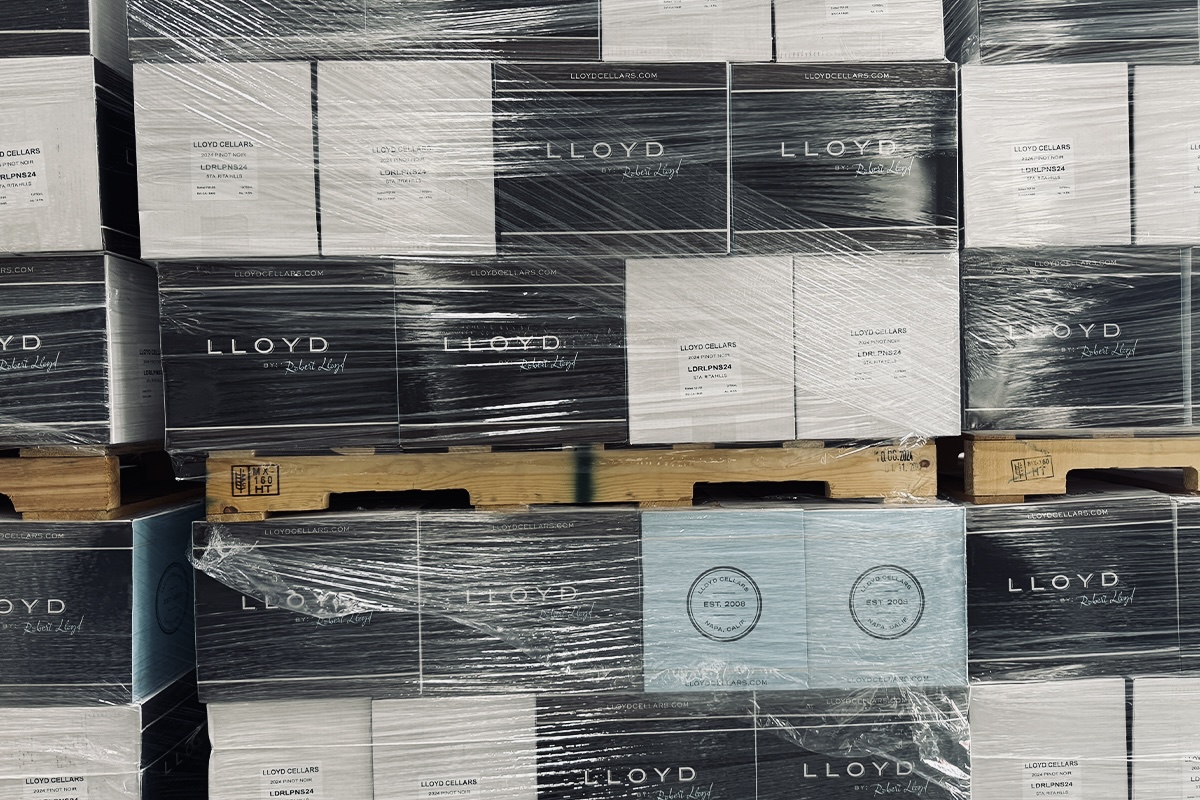
In the past, every order shipped from Napa. That worked for a while, but it becomes expensive when a lot of your customers live three time zones away. Moving to WineDirect gave us the ability to split our warehousing between Napa and Ohio, which changed the equation. Now, East Coast shipments leave from Ohio instead of California.
Of course, maintaining two warehouses introduces another layer of cost and coordination. We’re balancing inventory levels, timing transfers between facilities, and adjusting as order patterns shift. It isn’t static. As demand changes, so does the balance. That’s part of operating as a small team — you refine as you go. Shorter routes mean fewer days in transit and lower shipping rates, especially for East Coast customers, so the added complexity is worth it.
In peak summer months, we require 2-day shipping. Heat isn’t something we gamble with. Because we ship East Coast orders from Ohio, even 2-day service costs far less than it would if everything left from California. Distance affects quality. Zone pricing affects cost. We design around both.
What You’re Actually Paying For
When you see a shipping rate at checkout, you’re paying for freight — nothing more. That number reflects carrier pricing based on distance, weight, and service level. It does not reflect everything happening behind the scenes to store, pack, and legally deliver wine.
Storage, pick-and-pack handling, fuel surcharges, adult signature requirements, and state-by-state compliance all sit in the background. Those costs don’t disappear just because they aren’t itemized. We absorb a significant portion of them because listing every fee would make the checkout process look very different.
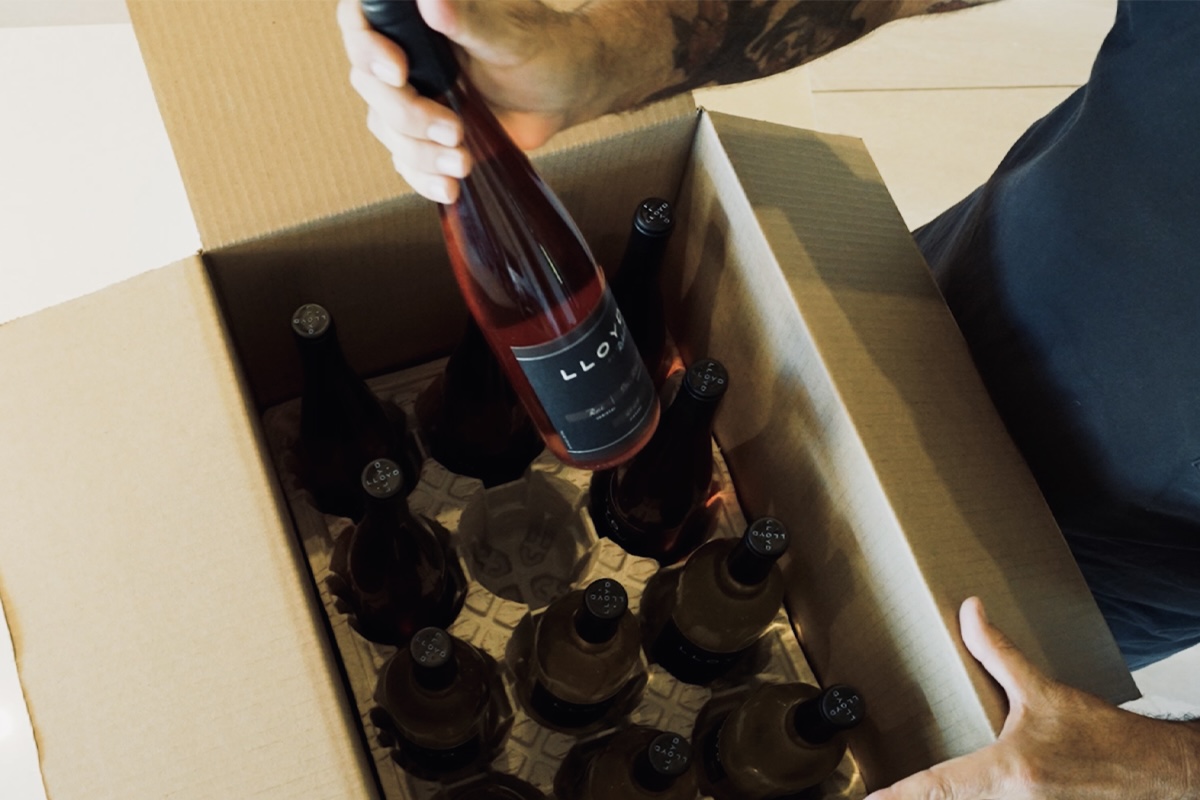
Shipping wine isn’t like shipping apparel or electronics. It’s heavy, regulated, perishable, and requires age verification at delivery. Every state has its own rules. Some limit how much can be shipped in a month or year. Some don’t allow direct-to-consumer shipping at all. The gap between what shipping costs and what people expect it to cost has never been wider, so we operate in that gap carefully — covering as much as we responsibly can without pretending the economics don’t exist.
Free Shipping Costs a Small Fortune
Some wineries quietly build freight into bottle pricing to make shipping feel invisible. We don’t. Lloyd Cellars is primarily a retail-driven winery, and our pricing has to work on a shelf, on a wine list, and on our website. If we bury shipping inside bottle pricing, we distort that balance.
“Free shipping” usually just means the math moved somewhere else. Sometimes that means higher bottle prices. Sometimes it means reduced margins. Sometimes it’s funded as a short-term promotion designed to drive a specific outcome. None of those approaches are wrong — they just aren’t free.
We use shipping promotions strategically, and when we do, we fund them intentionally. But day to day, we prefer to keep pricing clean and show freight as freight.
Pulp (Non)Fiction
Styrofoam protects wine, but it also has a way of taking over your house. If you’ve ever opened a shipment and watched those little white beads scatter across the floor, cling to your clothes, and somehow reappear days later, you know what I mean. It’s effective insulation, but it’s also hard to ignore how long it lingers — in your kitchen and in a landfill.
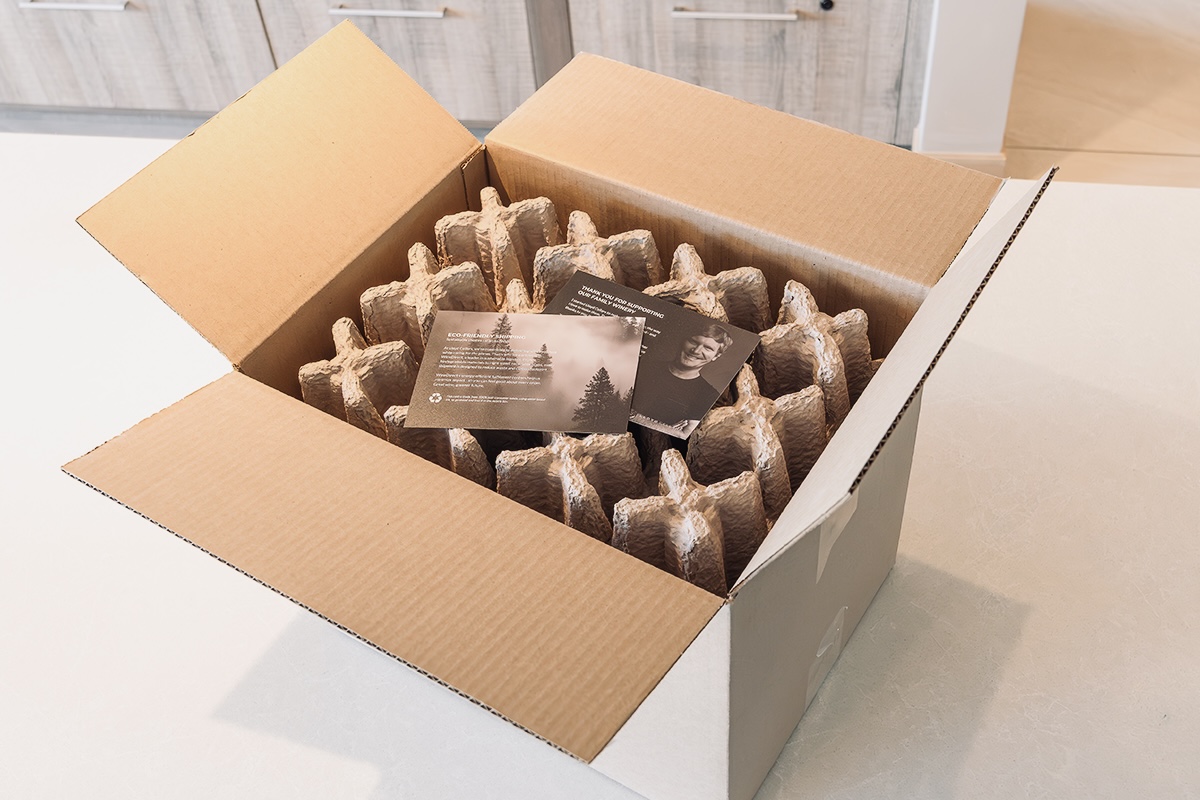
For years it was the industry standard because it worked. But it stopped making sense to us. We moved to molded fiber inserts that are recyclable and biodegradable, and frankly, they’re easier to deal with all around. They hold the bottle securely, they break down responsibly, and they don’t leave a trail behind.
WineDirect has made a real investment in sustainable fulfillment infrastructure, and their shift toward pulp-based packaging was part of why we partnered with them. When you’re shipping wine across the country, material choices scale quickly. If there’s a better option, it makes sense to use it. We don’t frame this as a marketing headline. It’s simply part of operating responsibly.


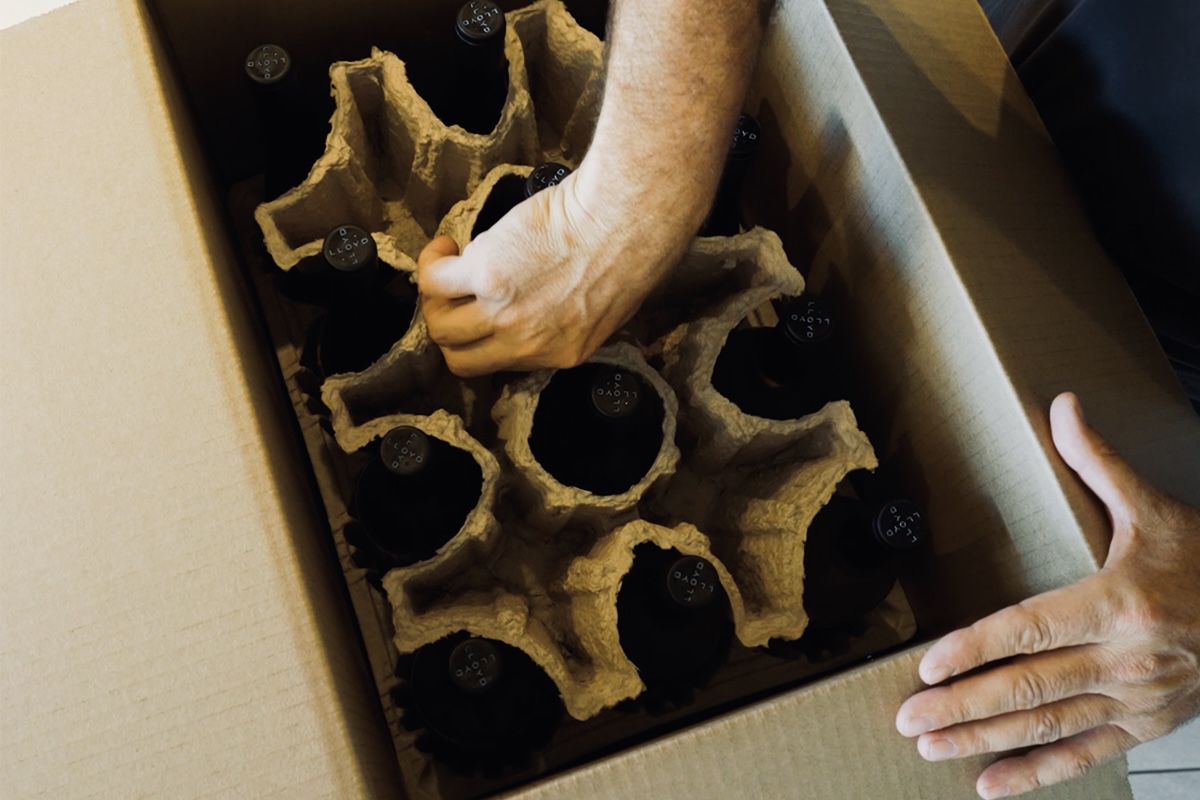
Direct-to-consumer is still relatively new territory in beverage alcohol. The regulatory framework alone made it complicated for decades, and in many ways it still is. It was about eight years ago, launching Metallica’s Blackened whiskey, that I first stepped fully into DTC in this industry. That experience reshaped how I think about distribution, control, and accountability.
What I’ve come to appreciate about DTC is the immediacy. You see what works. You see what doesn’t. You adjust. There are levers available in DTC that simply don’t exist in wholesale distribution, and there’s nowhere to hide when something falls short. Shipping sits right in the middle of that.

It’s not glamorous. It’s math, regulation, freight contracts, compliance filings, customer service, weather delays, and carrier rate changes that never seem to stop. It’s operational detail layered on top of product, with a lot of moving parts you don’t fully control.
It’s complicated. But we’d rather do it right than pretend it’s easy.
— Jimmy North / VP of Marketing